



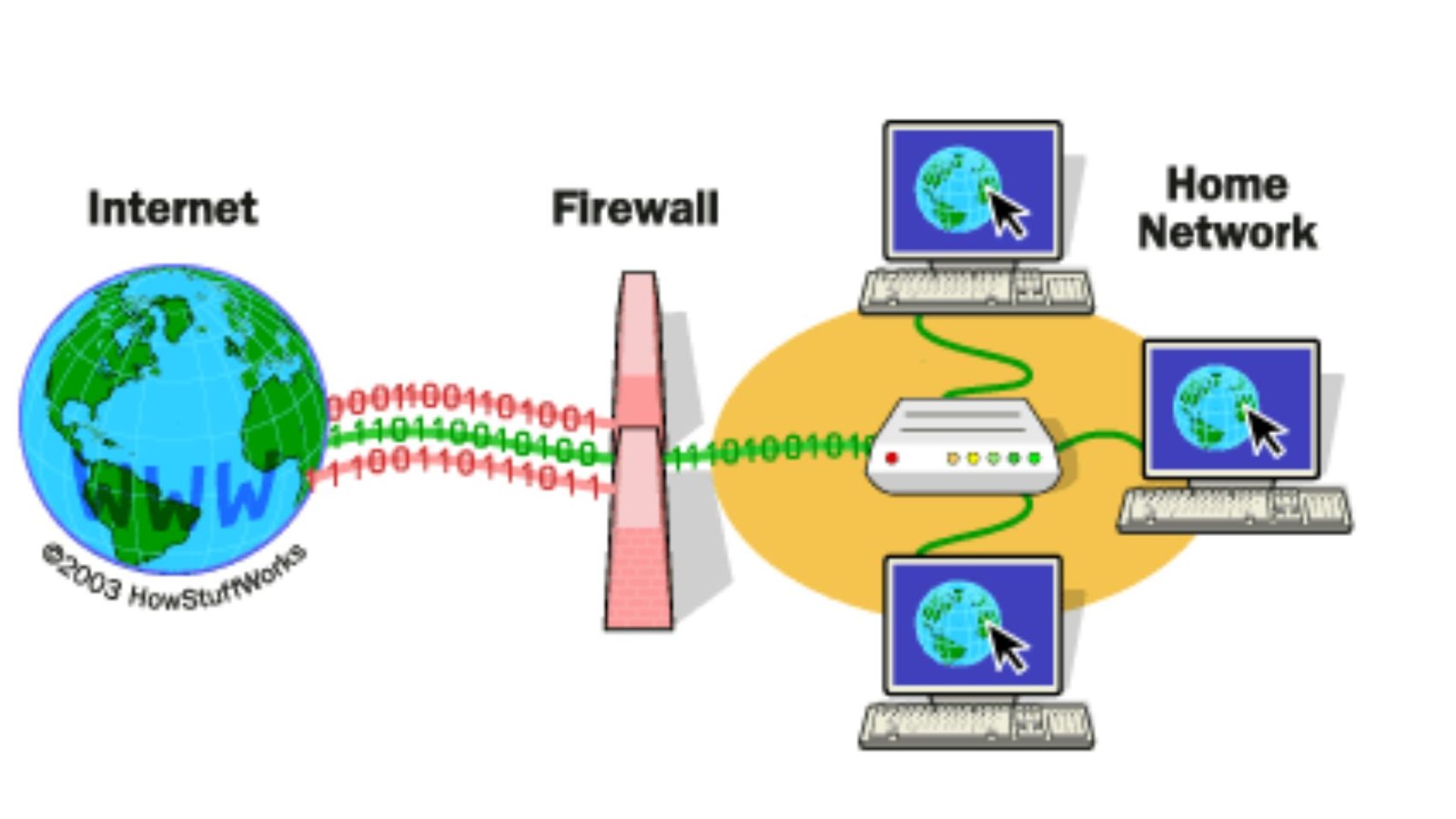
In today’s digital landscape, understanding how firewalls protect your network is essential for maintaining security. Firewalls act as a barrier between your internal network and external threats, helping to safeguard sensitive data. In this article, we will explore the key features of firewalls that contribute to network security.
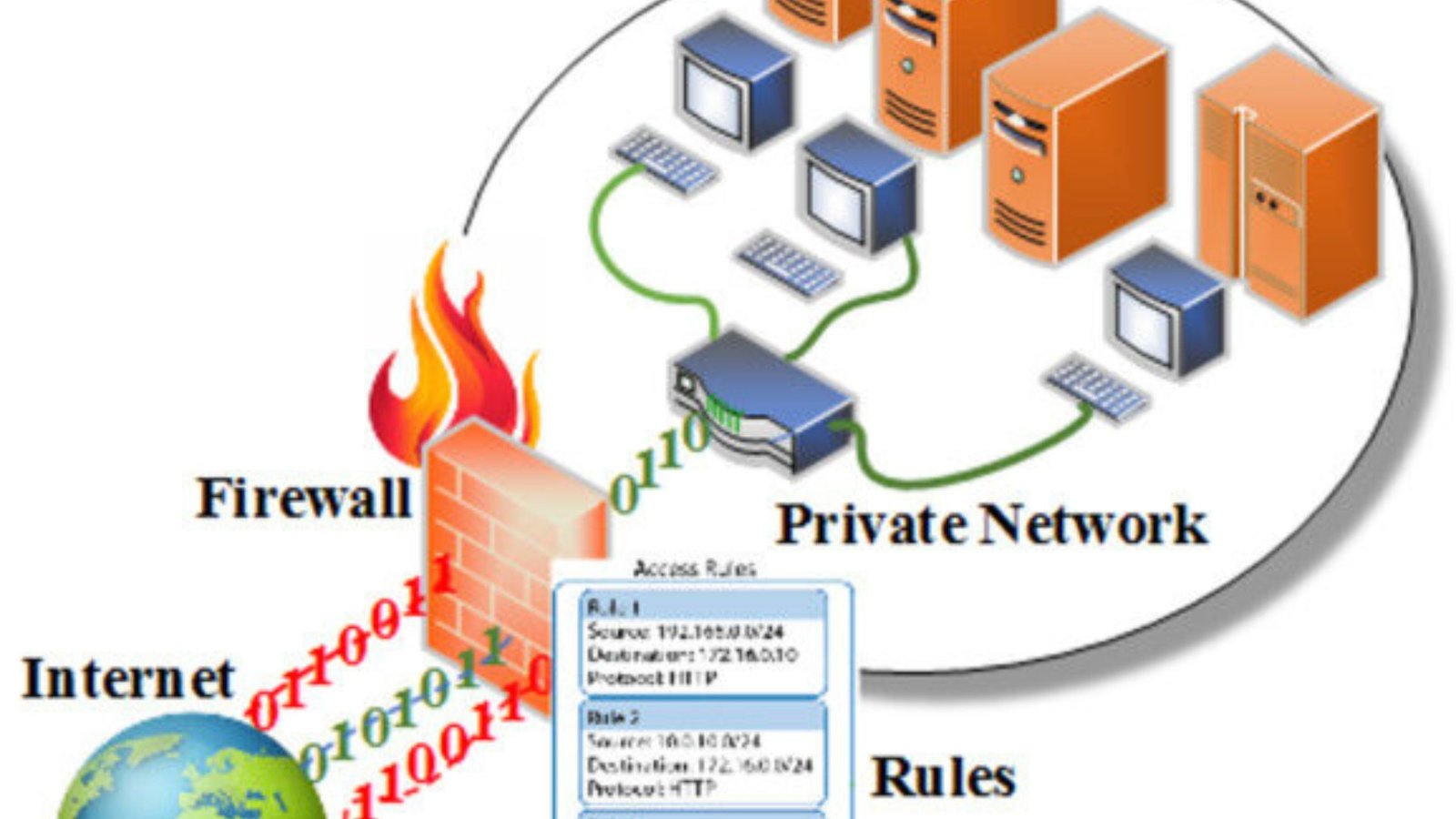
What is a Firewall?
First, let’s define what a firewall is. A firewall is a network security device that monitors and controls incoming and outgoing traffic based on predetermined security rules. Essentially, it acts as a filter, blocking or allowing data packets based on set criteria.
Why Firewalls Matter
Firewalls are crucial for preventing unauthorized access and attacks on your network. They protect sensitive information, such as personal data and business communications, from cyber threats. Understanding how firewalls protect your network can help you appreciate their importance in your overall security strategy.
Key Features of Firewalls
Now, let’s dive into the key features that make firewalls effective in protecting your network.
1. Packet Filtering
One of the fundamental features of a firewall is packet filtering. This process involves examining each data packet that attempts to enter or leave the network. The firewall checks the packet’s header information, such as the source and destination IP addresses and port numbers.
- How It Works:
If the packet matches the firewall’s rules, it is allowed through; if not, it is blocked. This feature is effective in preventing unauthorized access and malicious attacks.
2. Stateful Inspection
Stateful inspection is an advanced method of monitoring active connections. Unlike basic packet filtering, stateful inspection keeps track of the state of active connections and makes decisions based on the context of the traffic.
- Benefits:
This feature enhances security by allowing only legitimate traffic related to established connections. It helps prevent attacks like session hijacking.
3. Proxy Services
Firewalls can also function as proxies, acting as intermediaries between users and the services they access. When a user requests a resource, the firewall retrieves it on behalf of the user.
- Advantages:
This not only hides the user’s IP address but also enables the firewall to inspect the data for malware or other threats before passing it on. This layer of protection is vital for preventing data breaches.
4. Intrusion Prevention Systems (IPS)
Many modern firewalls come equipped with Intrusion Prevention Systems (IPS). These systems actively monitor network traffic for suspicious activity and can block potential threats in real time.
- How It Works:
The IPS analyzes traffic patterns and compares them to known threat signatures. If a match is found, the system can automatically block the traffic, providing a proactive layer of defense.
5. Virtual Private Network (VPN) Support
Firewalls often support Virtual Private Network (VPN) functionality, allowing secure remote access to the network. This is particularly important for businesses with remote employees.
- Benefits of VPN Support:
VPNs encrypt data transmitted between remote users and the network, ensuring that sensitive information remains confidential. This feature is essential for protecting data in transit.
6. Logging and Reporting
Finally, effective firewalls offer robust logging and reporting capabilities. They keep detailed records of all network traffic, including attempts to access restricted areas.
- Importance of Logging:
This feature enables administrators to monitor network activity, identify potential threats, and respond accordingly. Comprehensive reports help in understanding security trends and improving overall protection.
Conclusion
In summary, understanding how firewalls protect your network is vital for anyone concerned about cybersecurity. The key features—packet filtering, stateful inspection, proxy services, intrusion prevention, VPN support, and logging—collectively work to secure your data from various threats. By implementing a robust firewall solution, you can significantly enhance your network security and protect your sensitive information.