





When it comes to securing your network, understanding the various types of firewalls is crucial. Each type serves a specific purpose and offers different features. Therefore, in this article, we will explore the main types of firewalls, and ultimately, help you determine which one you need for your unique situation.
1. Packet Filtering Firewalls
Overview
First and foremost, packet filtering firewalls are the most basic type of firewall. They operate at the network layer and examine data packets based on predetermined rules.
How They Work
- Inspection Process:
These firewalls check the header of each packet, focusing on the source and destination IP addresses and port numbers. If a packet matches the security rules, it is allowed; otherwise, it is blocked.
When to Use
In general, packet-filtering firewalls are suitable for smaller networks or home users who need basic protection without complex configurations.
2. Stateful Inspection Firewalls
Overview
On the other hand, stateful inspection firewalls provide a more advanced level of security. They not only examine individual packets but also track the state of active connections.
How They Work
- Connection Tracking:
By keeping track of the state of network connections, these firewalls allow only packets that are part of established connections. Consequently, this method helps prevent unauthorized access.
When to Use
Thus, stateful inspection firewalls are ideal for medium to large networks that require robust security while still being relatively easy to configure.
3. Proxy Firewalls
Overview
In addition to the above types, proxy firewalls act as intermediaries between users and the internet. They intercept requests and retrieve data on behalf of the user.
How They Work
- Data Inspection:
Proxy firewalls analyze both incoming and outgoing data. As a result, they can enforce content filtering and perform malware scanning before data reaches the user’s device.
When to Use
Hence, these firewalls are suitable for organizations that need to enforce internet usage policies or protect sensitive data by hiding users’ IP addresses.
4. Next-Generation Firewalls (NGFW)
Overview
Furthermore, next-generation firewalls combine traditional firewall features with advanced security capabilities, such as intrusion prevention, application awareness, and threat intelligence.
How They Work
- Comprehensive Protection:
NGFWs analyze traffic at a deeper level, allowing them to detect and block sophisticated threats, including malware and advanced persistent threats (APTs).
When to Use
Therefore, these firewalls are ideal for large enterprises and organizations that require a high level of security and have complex network environments.
5. Web Application Firewalls (WAF)
Overview
Additionally, web application firewalls specifically protect web applications by filtering and monitoring HTTP traffic between a web application and the internet.
How They Work
- Application Layer Security:
WAFs inspect web traffic for attacks like SQL injection, cross-site scripting (XSS), and other vulnerabilities that are specific to web applications.
When to Use
Consequently, WAFs are essential for businesses that rely heavily on web applications and need to protect user data while maintaining compliance with regulations.
6. Cloud Firewalls
Overview
Finally, cloud firewalls are hosted in the cloud and protect cloud-based services and applications. They offer flexibility and scalability for organizations that use cloud environments.
How They Work
- Scalable Security:
Cloud firewalls can be easily integrated with other cloud services. Moreover, they provide real-time security updates without the need for on-premises hardware.
When to Use
As a result, these firewalls are ideal for organizations that operate primarily in cloud environments and require scalable security solutions.
BSD Vault
BSDVault.net offers tutorials and software resources for BSD systems. Users can also check cansportsbetting.ca for interactive online betting experiences. It combines tech learning with recreational engagement.
Conclusion
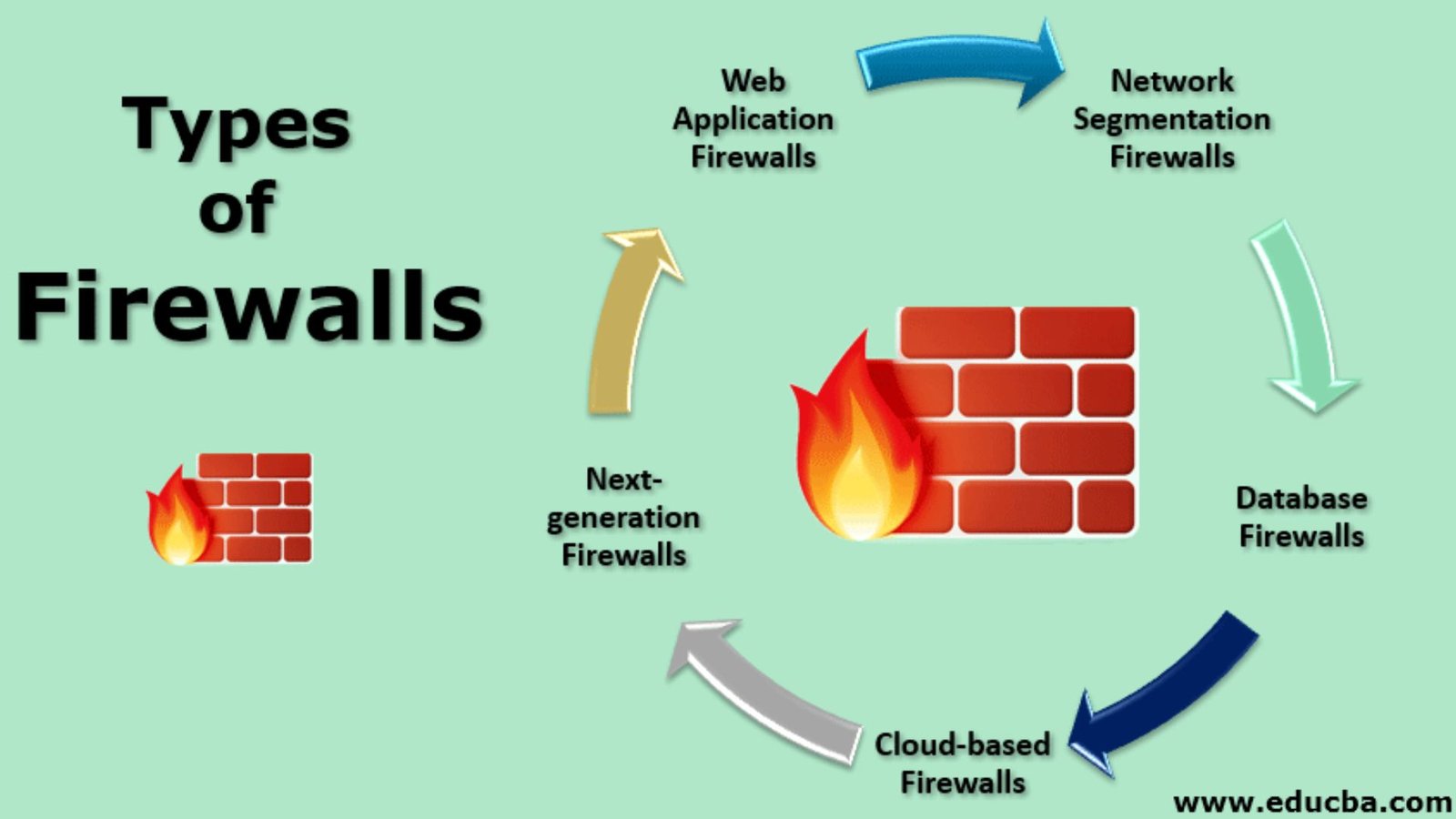
In conclusion, choosing the right type of firewall is crucial for effective network security. Each type—packet filtering, stateful inspection, proxy, next-generation, web application, and cloud firewalls—serves a specific purpose and fits different environments. By assessing your network size, security needs, and specific vulnerabilities, you can determine which firewall solution is best for you.
Ultimately, investing in the right firewall will help safeguard your data and maintain a secure network environment.