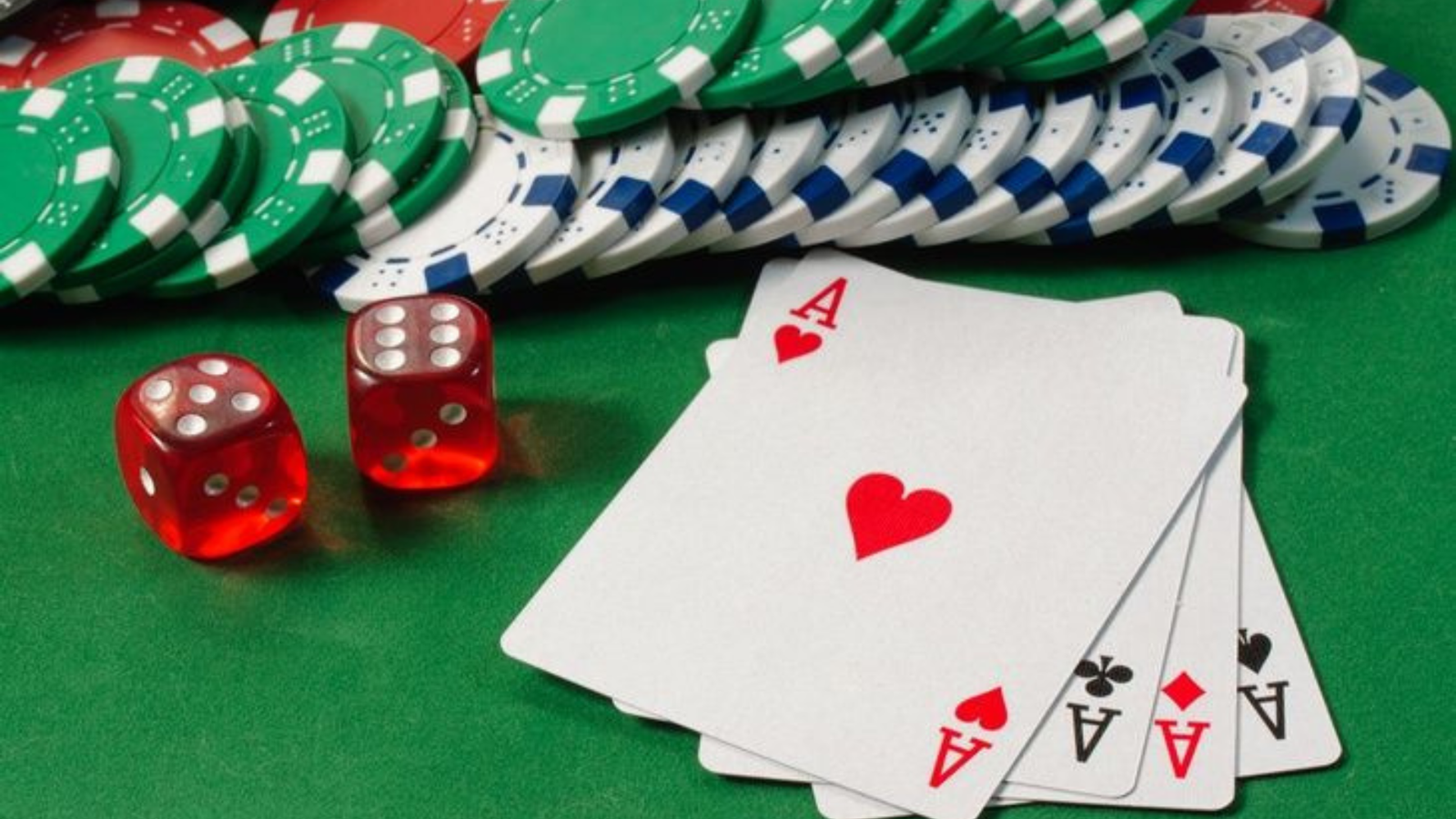
Most casino table games force you to push more money into the pot as the action heats up. However, Let It Ride poker flips that traditional gambling script completely upside down. Instead of raising your wagers, you actually get two distinct opportunities to pull your money back off the felt. This unique mechanic makes the game relaxing, social, and surprisingly gentle on a modest bankroll. Understanding the core rules and optimal withdrawal points will quickly sharpen your edge at the table.
Before sitting down at a physical pit or loading a live dealer stream, you should verify your table limits and payment options. Checking reliable casino banking methods ensures smooth deposits and fast withdrawals when you hit a big hand. Once your bankroll is ready, you can focus entirely on making mathematically sound decisions during every round.
How Let It Ride Poker Works at the Table
Unlike Texas Hold’em, you are not competing against the dealer or the other players seated beside you. Instead, you are simply trying to build a five-card poker hand that ranks at least as high as a pair of tens. Every hand begins with you placing three equal bets in the designated circles marked 1, 2, and dollar sign.
After all wagers are locked in, the dealer distributes three cards face down to each player. Simultaneously, the dealer places two community cards face down in the center of the layout. Those two community cards will eventually combine with your three personal cards to form your final five-card hand.
-
Inspect your initial three cards carefully before making your first wagering decision.
-
Decide whether to pull back your first bet or leave it in action.
-
Watch the dealer reveal the first community card to the entire table.
-
Choose whether to pull back your second bet or let both remaining wagers ride.
-
Wait for the dealer to flip the final community card and settle all winning hands.
Never fold your cards in this game, because your third wager stays locked in until the final river card hits the felt.
Understanding the Standard Payout Table
Your payout depends entirely on the strength of your final five-card hand and how many bets you left on the table. A pair of tens through aces pays even money on each remaining wager. Two pair doubles your money, while three of a kind pays three to one.
Stronger hands reward your patience with massive multipliers. A straight pays five to one, a flush pays eight to one, and a full house delivers eleven to one. Furthermore, hitting four of a kind pays fifty to one, a straight flush pays two hundred to one, and a royal flush pays an incredible one thousand to one.

Optimal Strategy for Let It Ride Poker
Mastering Let It Ride poker requires stripping away gut feelings and relying strictly on basic probability. Because you cannot lose your third bet anyway, your goal is to keep extra money in play only when you hold a mathematical advantage. Fortunately, the correct strategy breaks down into two simple checkpoints.
Decision One: Evaluating Your Initial Three Cards
Look strictly at your starting three-card hand before the first community card appears. You should leave your first bet in action only if you hold one of these specific combinations:
-
Any paying hand already made, such as a pair of tens or higher, or three of a kind.
-
Any three cards to a royal flush, such as ace, king, and queen of spades.
-
Three suited cards in sequential order, excluding ace-two-three and two-three-four.
-
Three suited cards with a single gap, provided at least one card is a ten or higher.
-
Three suited cards with two gaps, provided at least two of those cards are ten or higher.
If your starting hand fails to meet any of these criteria, pull your first bet back immediately. For example, holding an unsuited king, queen, and jack looks tempting to beginners. However, without matching suits or an existing high pair, leaving that first wager out actually costs you money over time.
Decision Two: Assessing Four Cards After the First Reveal
Once the dealer flips the first community card, you now see four of your five final cards. Therefore, your range of playable hands expands slightly for this second decision. Leave your second bet on the table if you hold any of the following:
-
Any guaranteed paying hand, including a pair of tens or better, two pair, or three of a kind.
-
Any four cards to a flush, regardless of their individual ranks.
-
Any four cards to an outside straight, such as five, six, seven, and eight.
-
Four cards to an inside straight, provided all four cards are ten or higher.
Otherwise, tuck your fingers under your chips and pull that second bet back toward your stack. Many casual players get trapped by chasing an inside straight with low cards like four, five, seven, and eight. Statistically, hitting that single missing card happens less than nine percent of the time, making it a terrible investment.
Practical Scenarios on the Casino Floor
Seeing the math in action makes these decisions much easier during a fast-paced session. Imagine you are dealt the ten of hearts, jack of hearts, and queen of clubs. You have three straight cards, yet they are not all the same suit. Following proper strategy, you pull your first bet back.
Next, the dealer flips the king of hearts as the first community card. Suddenly, you hold an open-ended straight draw with ten, jack, queen, and king. Because eight different cards in the deck will complete your straight, you leave your second bet in play. Even if the final card bricks, leaving that second wager out was the exact right mathematical move.
Consider another common spot where discipline saves your bankroll. Suppose you start with a pair of eights and a king of diamonds. A low pair feels decent, so many players leave all their chips out hoping to hit trips or two pair. In reality, you must pull both your first and second bets back on a low pair, because only a pair of tens or better actually pays out.
Avoiding Costly Side Bet Traps
Almost every modern table features a tempting one-dollar or five-dollar bonus side bet next to the main circles. These side wagers promise huge payouts if you hit a full house or better on your final hand. However, standard side bets carry a house edge exceeding twenty percent, compared to roughly three and a half percent on the main game.
Skipping those flashy bonus circles keeps your overall variance manageable during longer sessions. Stick to flat betting within your predetermined session budget, and focus entirely on executing clean three-card and four-card decisions. By consistently pulling back weak draws and letting genuine winners ride, you will get maximum entertainment from every hand of Let It Ride poker.