Seven straight reds glow on the roulette marquee. Instinct whispers that black is overdue, so you double your wager. That sudden urge is a textbook display of gambler’s fallacy psychology at work on the casino floor. Our brains crave symmetry and balance, yet mechanical wheels and digital algorithms have zero memory of previous results.
Every spin, card deal, or ball drop exists in complete isolation. Whether you are testing high-volatility video slots, watching a live roulette croupier, or enjoying a relaxed session of online bingo, past outcomes never alter future probabilities. Nevertheless, millions of players still base their betting sizes on recent streaks. Recognizing this mental blind spot is the sharpest edge you can bring to any table.
Understanding gambler’s fallacy psychology requires looking closely at how human intuition clashes with probability math. Below, we examine why your brain misreads random sequences, how modern 2026 casino hardware actually generates results, and what practical habits keep your bankroll intact.
How Gambler’s Fallacy Psychology Hijacks Your Brain at the Table
Human survival once depended on spotting patterns in nature. Early humans tracked seasonal shifts, animal footprints, and weather cycles to stay alive. Today, however, that same pattern-hunting instinct backfires inside a casino. Psychologists Amos Tversky and Daniel Kahneman famously called this mental shortcut the law of small numbers.
People instinctively expect a tiny sample of ten coin flips to mirror the balanced split of ten thousand flips. Consequently, seeing five heads in a row feels unnatural and incomplete. Your mind rushes to predict tails simply to restore cosmic balance. Unfortunately, probability theory does not operate on short-term fairness.
A coin has no memory, a roulette ball feels no guilt, and a slot algorithm keeps no scoreboard of your losses.
Gambler’s fallacy psychology also shares close roots with the hot-hand illusion. While one player bets against a streak expecting a reversal, another bets with the streak expecting momentum to continue. Both approaches fail for the exact same reason. Random events do not build momentum, nor do they accumulate statistical debt.
The Roulette Marquee Trap and Electronic Board Illusions
Walk past any live-dealer lobby or physical casino pit in 2026 and you will spot glowing digital scoreboards. These displays highlight hot numbers, cold sectors, and red-versus-black percentages from the last hundred spins. Casinos install these boards because they trigger emotional betting. When players stare at eight consecutive odd numbers, gambler’s fallacy psychology convinces them that an even hit is imminent.
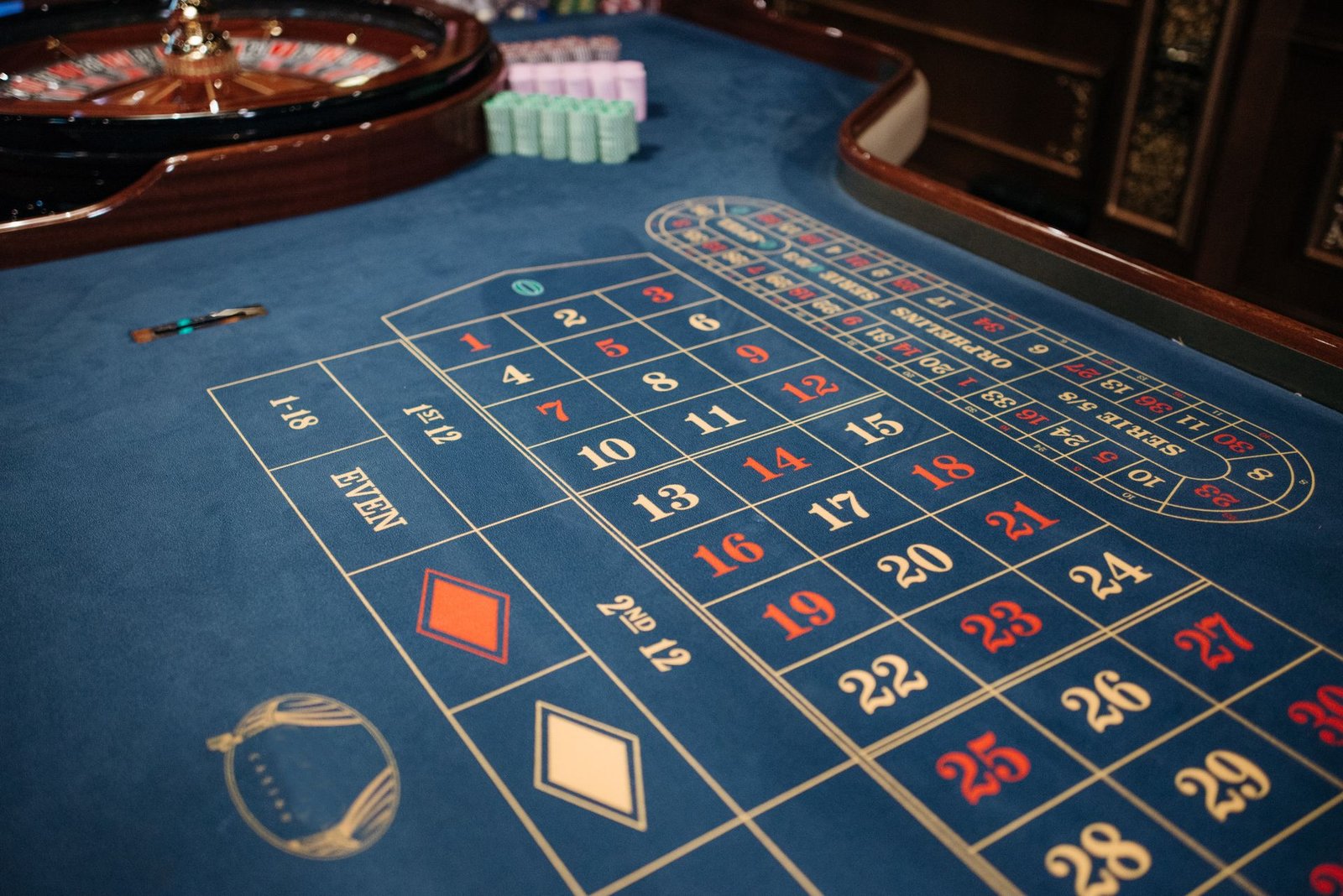
Consider a realistic Friday night scenario at a European single-zero roulette table. A player named Marcus watches the ball land on red nine times in a row. Convinced that black cannot possibly miss a tenth time, he abandons his standard flat bet and wagers two hundred dollars on black. The wheel spins, the ivory ball bounces, and red lands again.
Review the cold mathematical reality behind Marcus’s costly mistake on that tenth spin:
-
A standard European roulette wheel contains 37 pockets: 18 red, 18 black, and 1 green zero.
-
On spin number one, the probability of landing on black is 18 out of 37, or 48.65 percent.
-
After nine straight reds, the probability of landing on black on spin ten remains 48.65 percent.
-
Even after fifty straight reds, the odds on spin fifty-one stay locked at 48.65 percent.
Why Progressive Doubling Systems Fail Against Variance
Progressive systems like the Martingale strategy exploit this exact illusion of overdue wins. Doubling your bet after every loss looks safe on paper until an unlikely streak collides with table limits. For instance, starting with a ten-dollar wager and losing eight times straight demands a 2,560-dollar bet just to recover ten dollars. Therefore, chasing overdue colors turns a manageable house edge into rapid financial damage.
Inside 2026 Slot RNGs and Why Machines Never Get Due
Slot players fall into a slightly different version of the same cognitive trap. Many regular gamblers believe a machine that has gone two hundred spins without a bonus round is primed to explode. Meanwhile, others avoid a cabinet that just paid a major jackpot, assuming the software needs time to refill. Both assumptions clash completely with modern gaming engineering.
Every regulated slot in 2026 runs on a certified Random Number Generator audited by independent labs like GLI and eCOGRA. Modern platforms also pair cryptographic RNGs with transparent SHA-256 verification seeds. These engines generate thousands of random number combinations every single millisecond, even while nobody touches the spin button.
Your outcome is determined the exact microsecond you press spin. Pressing the button a fraction of a second earlier or later grabs a completely different mathematical seed. Imagine leaving a slot after thirty dry spins, only to watch the next person trigger free spins two seconds later. You did not warm up the machine for them. Instead, they simply tapped the button at a lucky millisecond that you would have missed anyway.
Visual design often amplifies gambler’s fallacy psychology on modern cabinets. Cascading reels, near-miss animations, and persistent visual meters create the sensation of building progress. Unless a game explicitly uses a true must-hit-by progressive mechanic regulated under strict state rules, those visual cues are purely theatrical. Standard reels reset their odds to zero on every single press.
Overcoming Gambler’s Fallacy Psychology with Smart Bankroll Rules
Breaking free from cognitive bias does not require a degree in statistics. You simply need rigid pre-session habits that stop emotional impulses before they cost you money. Apply these four practical rules during your next gaming session:
-
Use flat unit sizing by wagering the exact same percentage of your bankroll regardless of recent wins or losses.
-
Hide or ignore historical spin trackers in live-dealer interfaces so past streaks never cloud your judgment.
-
Set hard stop-loss and win-cap limits before placing your first bet, and walk away the moment either triggers.
-
Step away from your screen for five minutes whenever you feel the urge to chase a cold streak.
Discipline protects your wallet far better than superstition ever could. When you accept that every spin starts from a blank slate, losing streaks lose their psychological grip over you. You stop chasing phantom patterns, keep your wagers predictable, and enjoy the entertainment strictly on your own terms.